
Four years of burning feet, until I discovered the 800-year-old Japanese imperial secret almost nobody in the United Kingdom knows about.
At 61, living with diabetes, I had already tried everything, until I stumbled across a Japanese imperial secret, a post-war scientist and a bracelet that changed everything within weeks.


By Michelle H. | 14 September 2026 | 4:51 pm
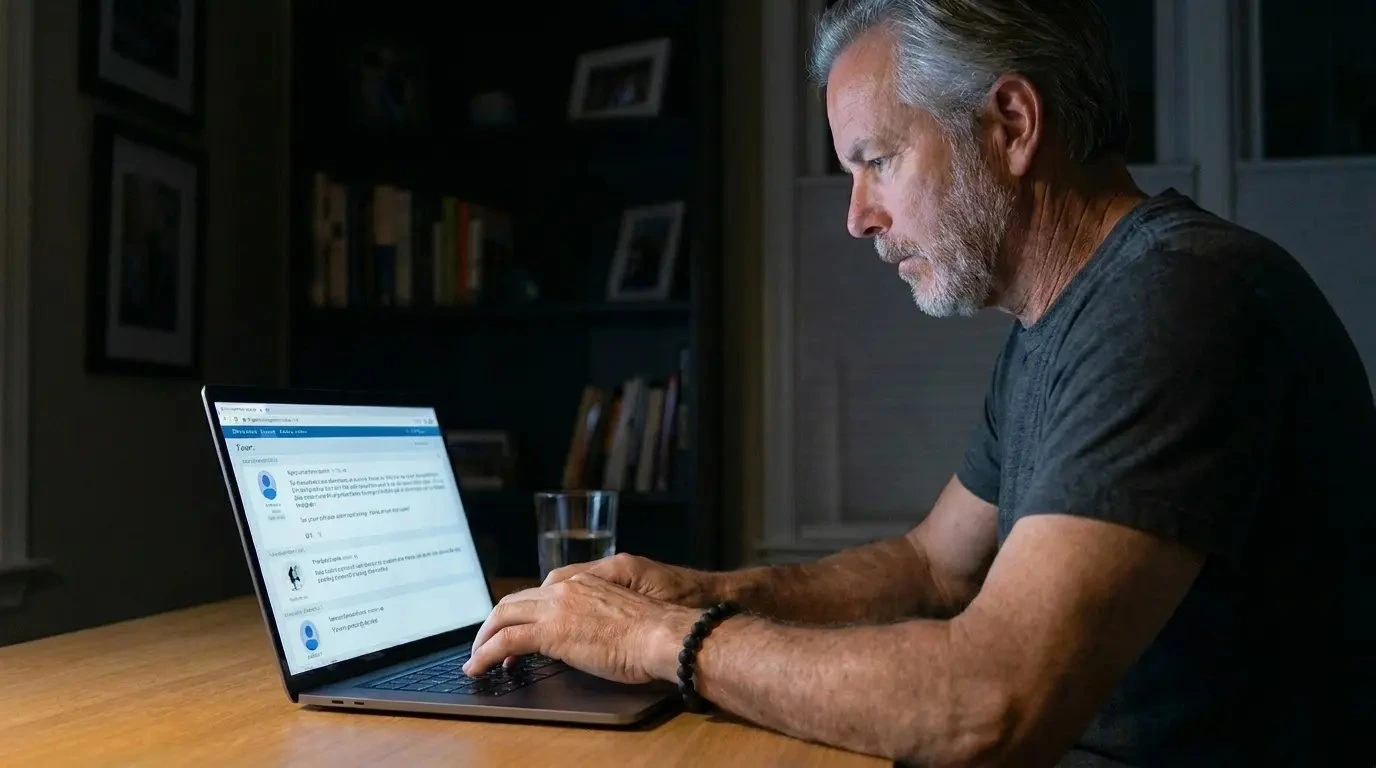
John Davies at home in Manchester. "For four years I had not slept through a single night, until a 2am Google search changed everything." Photo: provided by the reader.

By John Davies
Manchester, United Kingdom · Published on 14 September 2026 · 12 min read

My name is John Davies. I am 61 and I live in Manchester. Until about five months ago I had not slept through a single night in four years. Not one.
My name is John Davies. I am 61 and I live in Manchester.
Until about five months ago I had not slept through a single night in four years. Not one.
Around 10 pm, my feet would start to burn. That deep, constant heat that no position, no cream and no medicine could ever really make disappear.
I would lie awake until 2 or 3 in the morning, waiting for it to ease enough for me to drift off for a while. My wife, Claire, eventually started sleeping in the spare room because I kept tossing and turning in bed.
When my grandchildren wanted to go to the park, I had to make up an excuse not to go with them. My GP kept adjusting my gabapentin dose, while I kept putting on weight, felt foggy-headed and wondered if this was simply how the rest of my life was going to be.
I have had type 2 diabetes for eleven years. Peripheral neuropathy, my neurologist explained, "often comes with it". As if he were giving the weather forecast. As if there was not much that could be done.
I tried everything he recommended, and more besides: supplements, compression socks, infrared mats, CBD creams. Nothing made the problem go away. Some things gave me an hour of relief. But every night it was the same story. Feet on fire. Wide awake. Staring at the ceiling.
Everything changed because of an ordinary Google search at 2am, on a Tuesday in November. I was exhausted and frustrated, and typed in something I had probably searched a dozen times before: "why do my feet burn at night neuropathy".
But this time I clicked on something different: a Reddit post asking why Japan had so many fewer cases of neuropathy than the United Kingdom. And I fell into a real rabbit hole that kept me awake until 4 in the morning. Not because of my burning feet, but because I could not stop reading.
For four years I had been managing the pain. That night, I was not managing it. I read the story of a Japanese scientist who claimed to have solved the problem in 1954.
- John Davies, Manchester
The question that changed everything: why does Japan have so few cases of neuropathy?
The Reddit discussion was full of people like me. Diabetics, former servicemen, pensioners. All with the same burning feet and the same sleepless nights.
But the author of the post asked a question I had never thought about: Japan has one of the oldest populations in the world, Japanese people eat many of the same processed foods as we do, and yet their neuropathy rate is only a fraction of ours.
How is that possible? Someone in the comments had shared a link to an article about a post-war Japanese researcher named Shiromi Takahashi, and that was when my night became truly interesting.
After the Second World War, Japan lay in ruins. Its infrastructure was gone, medicines were unaffordable and hospitals were overwhelmed. Neuropathy spread rapidly among the ageing population, and nothing seemed able to stop it.
Takahashi, 34 years old, with no medical training but driven by a true obsession, had noticed something strange in the pre-war health records: older generations of Japanese people simply did not suffer from neuropathy.
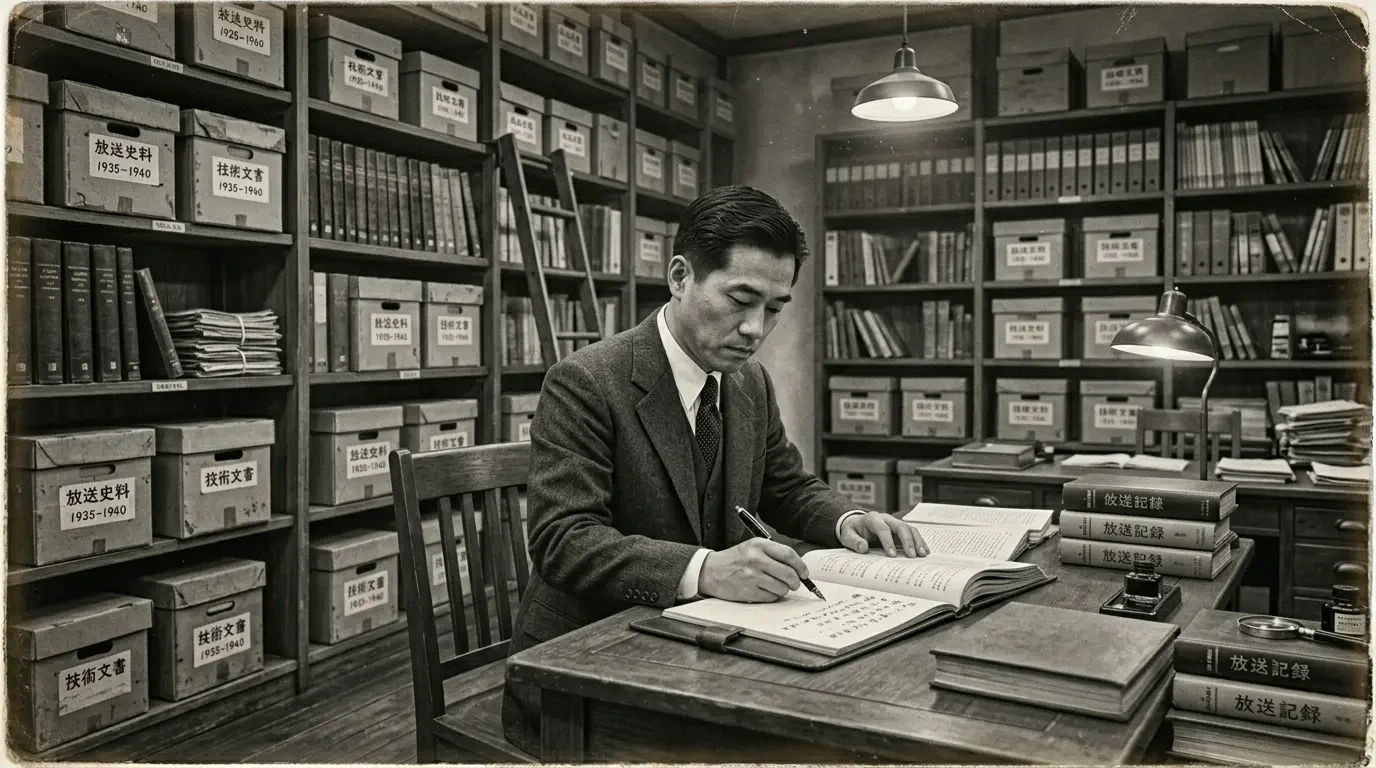
Not just rarely: hardly ever. He spent three months in the emperor's private archives in Kyoto trying to understand why.

Monday 14 September 2026 - Dr Caroline Moore, dentist
Takahashi in the emperor's private archives in Kyoto. Photo: reproduction from the Kyoto Imperial Archives.
What he discovered there was a 300-year-old medical manuscript describing the use of magnetised stones. For more than 800 years, these stones had been attached to the wrists of doctors at the imperial court, specifically to preserve nerve health and circulation in older people.
This was not some simple folk legend. It was an official and documented medical protocol, used continuously for eight centuries.
Until Japan's westernisation at the end of the 19th century, when traditional medicine was gradually pushed aside by imported drugs.
And when the magnetic stones disappeared, Takahashi noticed, neuropathy quietly began to appear.
I was sitting in my kitchen at half past two in the morning reading all this, my feet on fire, thinking: this man found the answer in 1954 and nobody in the United Kingdom has ever told me about it?
What Takahashi did next - and what happened in Japan
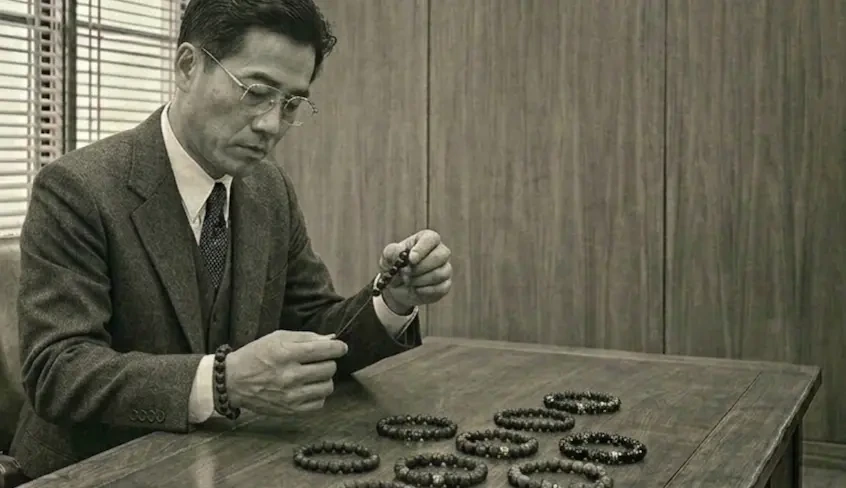
Takahashi spent two years reconstructing the original model: a bracelet with a magnetised stone, positioned precisely over the point where you feel your pulse, on the inside of the wrist.
Exactly at the spot the ancient manuscript called the body's "gate", where the main blood vessels and nerve pathways run closest beneath the skin. He tested it on himself, on his neighbours and on older people in his community.
The burning sensation disappeared within days. People who could no longer walk began walking again.
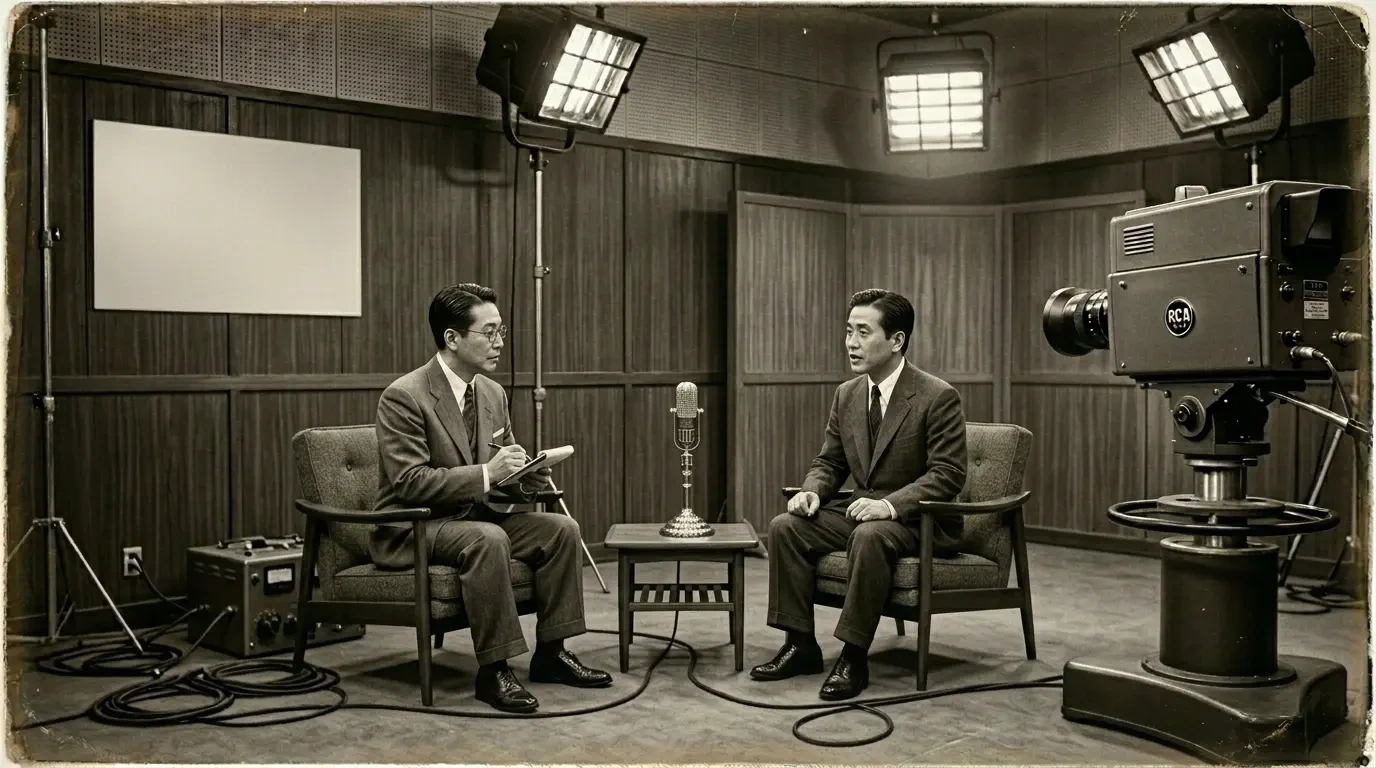
In 1954, he appeared on a regional NHK broadcast. The switchboard was flooded before the programme had even finished. In the first month, four thousand letters arrived. In less than two years, magnetic bracelets were available in pharmacies across Japan.
Then I saw the graph. I found the data in the archives of the Japanese Ministry of Health, with neuropathy figures from 1945 to 1990. At 3am, alone in my kitchen, I literally said out loud: "This cannot be right."
Figure 1 · Historical data
Neuropathy in Japan - reported cases per 100,000 people
Compilation of data from the Japanese Ministry of Health, NHK health surveys and the University of Tokyo Faculty of Medicine · 1945-1990
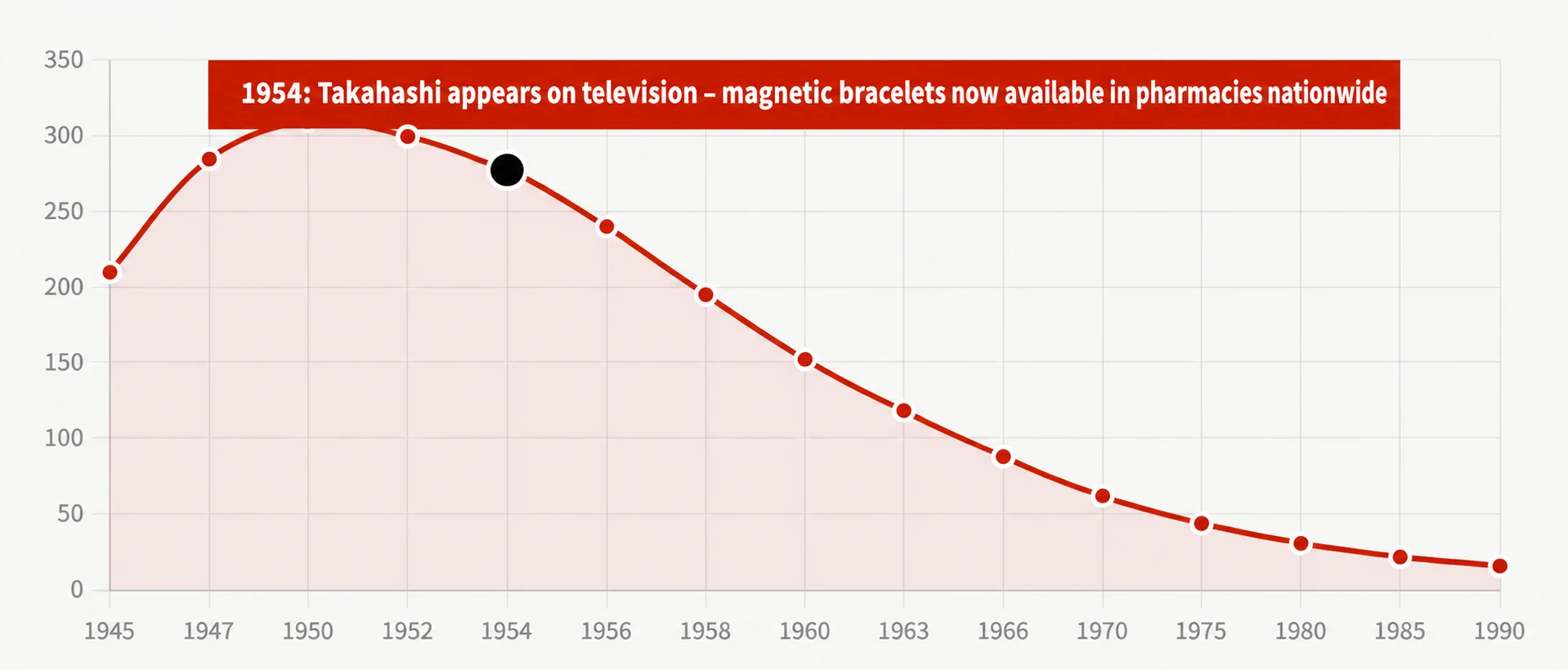
Note: The turning point observed in 1954 coincides with the broadcast about Takahashi and the nationwide introduction of magnetic therapy. Since the 1970s, Japan has had the lowest neuropathy rate of any industrialised country.
The number of neuropathy cases in Japan peaked shortly after the war. Then, from the mid-1950s, it fell steadily and clearly, at exactly the time magnetic bracelets began to be widely adopted.
By the 1980s, Japan had the lowest neuropathy rate in the industrialised world. Today, the country also has the highest life expectancy in the world.
And more than 30 million Japanese people use magnetic therapy every day. It is available at the pharmacy, right next to the aspirin. The Japanese Ministry of Health officially oversees it.
There, it is not seen as alternative medicine. It is simply medicine.

Japan has always been that strange exception I could not explain. The neuropathy figures there were considerably lower than in comparable countries, even after adjusting for dietary and genetic factors. When I looked at Takahashi's work, the mechanism became clear. Japan had been using a physiologically coherent intervention for centuries. Only now are we providing the scientific data that explain why it works.
- Dr K. Moore · Professor of Neurology, Faculty of Medicine, University of Manchester
The scientific data that meant I could not simply dismiss this
I am a down-to-earth sort of person. I worked as an electrician for 28 years. I have heard every possible story about "ancient remedies", and I am not easily convinced. But when I kept reading and found the Stanford data, I really started paying attention.
A 2019 systematic review from Stanford University Medical Center assessed magnet therapy in patients with neuropathy.
The result: 80% showed measurable improvements in nerve function. Not just in perceived pain, but in nerve function itself. The nerves responded differently. The review identified an optimal therapeutic range of 700 to 900 gauss.
Exactly the intensity used by traditional Japanese devices. The same value Takahashi's bracelets were calibrated to in the 1950s. The same value the doctors at the imperial court had apparently arrived at after 800 years of practical experience.
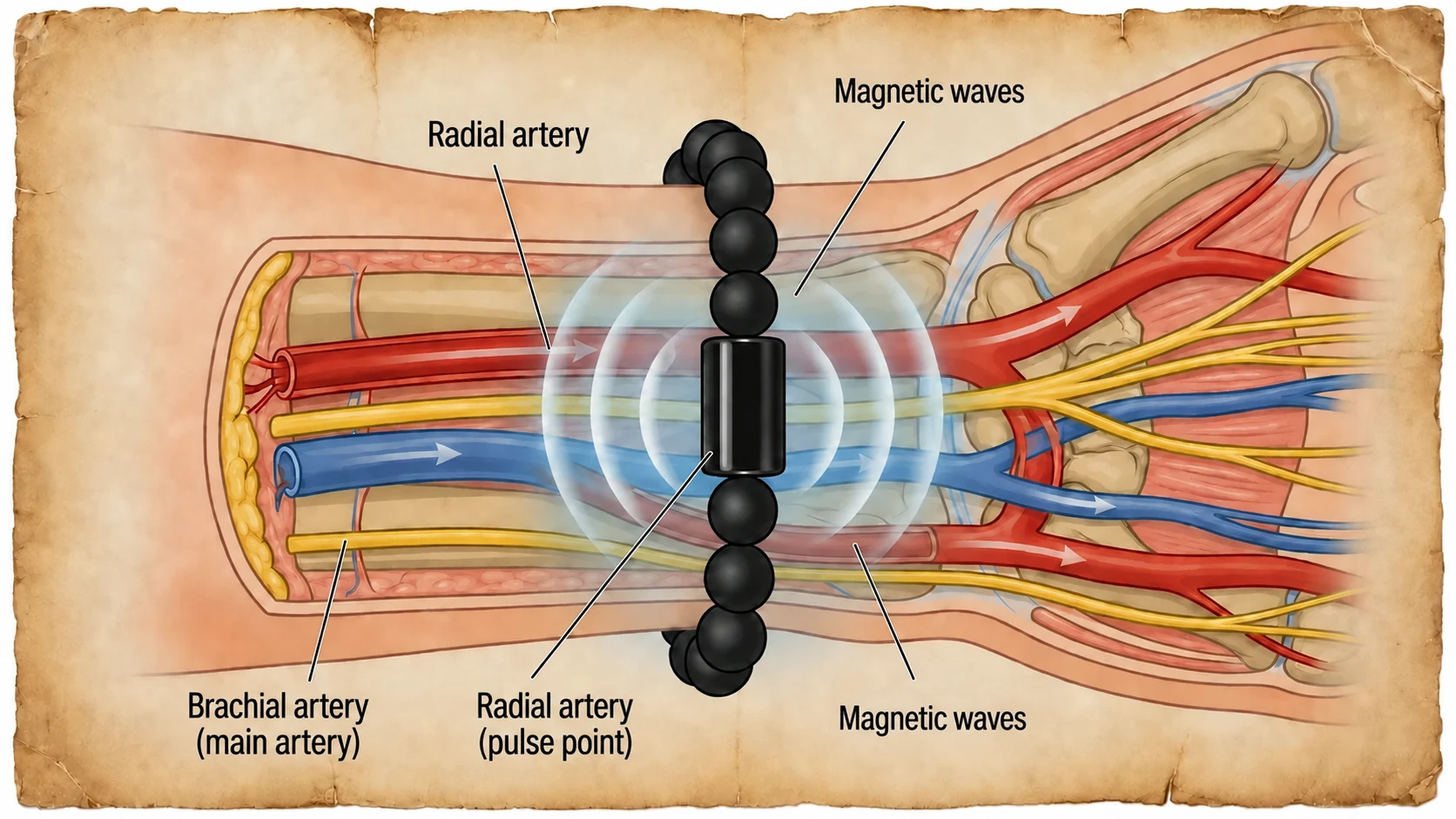
The point where you feel your pulse, on the inside of the wrist. The ancient doctors at the imperial court called this place the body's "gate". Modern anatomy confirms that major arteries and nerves run closest beneath the skin here.
Then came the part that made the most sense to me, as someone who had worked with electrical systems for twenty-eight years. The radial artery in the wrist runs closer beneath the skin than almost any other major artery in the body.
It lies right next to the radial nerve and the median nerve, two major nerve pathways involved in peripheral neuropathy. When you apply a sufficiently powerful magnetic field to that exact spot, you set off a cascade effect: the improvement in blood circulation at the wrist carries through the whole peripheral circulation, all the way to the feet.
The ancient Japanese called this spot the body's "gate". Modern anatomy only confirms that they were right.
Why nobody had ever told me about this - and why that made me angry
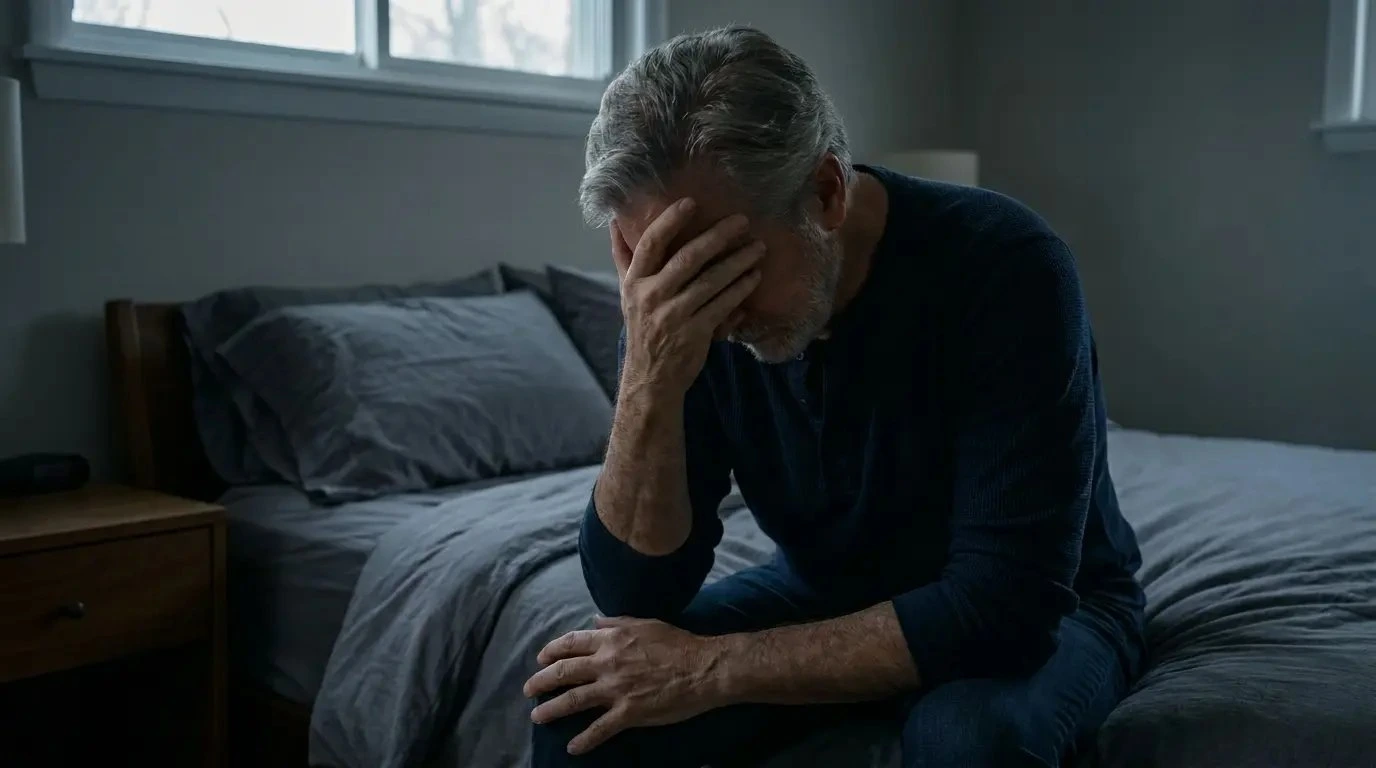
Around half past three in the morning, I realised I was starting to get genuinely angry. Not personally at my GP. He is a very good person. But at the system. The reason all of this has never reached the United Kingdom is brutally simple: there is no money to be made from it.
You cannot patent a magnetic stone. You buy a bracelet and wear it for years. No product that has to be bought again and again, no follow-up consultation, no monthly prescription generating revenue.
The financial machine behind pharmaceutical advertising simply does not exist for a product you only buy once. Meanwhile I was spending around €150 a month on gabapentin, not counting my own contribution, supplements that did nothing and a €350 infrared mat that was gathering dust in a cupboard.
In Japan, it was used because the evidence came from real-world practice. 800 years of practical results that the Ministry of Health simply could not ignore.
In the United Kingdom, we wait for pharmaceutical companies to fund the studies. And pharmaceutical companies do not fund studies into products they cannot profit from. So we just carry on with the pills.
How I discovered Neurivanne™ — and why I almost did not order it
At 4 o'clock in the morning, I was convinced I wanted to try a magnetic bracelet. But within twenty minutes, I was completely lost on Amazon.co.uk.
There were hundreds of bracelets, from €8 to €100, and not one of them clearly stated how many gauss it had. By then, I had read enough to know that the gauss rating is essential.
The Stanford study mentioned a range of 700 to 900 gauss. Below 500, the magnetic field cannot penetrate deep enough into the tissue to reach the artery.
Most of the models I saw on Amazon.co.uk turned out, when I looked closely at their specifications, to have only 200 to 300 gauss. Just jewellery, sold as if it were therapy.
Then I found a comment in one of the Reddit discussions where Neurivanne™ was mentioned. Precisely because someone had taken the trouble to find a bracelet that matched Takahashi's original specifications.
Medical-grade 800 gauss magnets, facing inwards at the point where you can feel your pulse, and not scattered randomly around the bracelet purely as decoration.
A multi-magnet design that mimics the geometric placement of the original stones. Made to be worn 24 hours a day, 7 days a week, just as Takahashi's protocol prescribed. I read the description three times.
It was the first product I had seen that genuinely seemed to understand what it was supposed to do, and why.
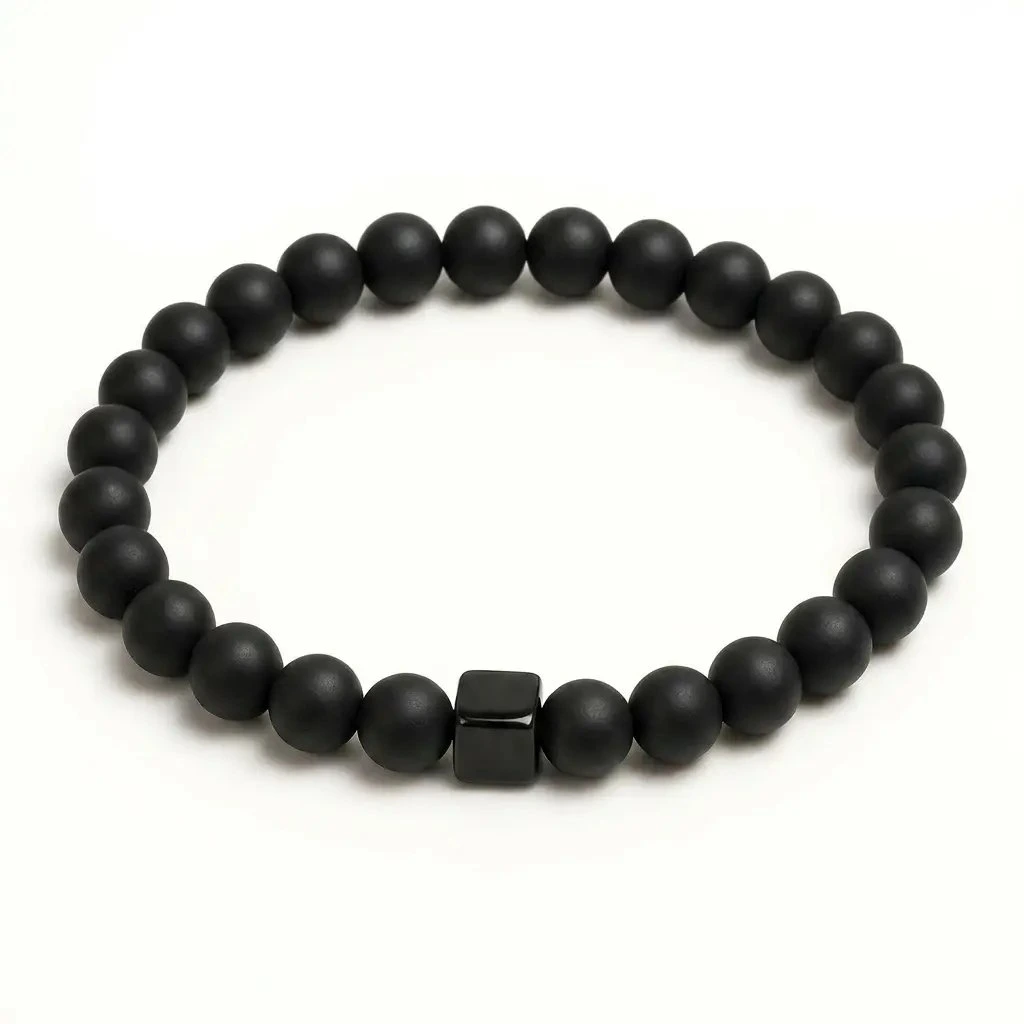
Featured · 800 gauss
Neurivanne™ bracelet
✓ Medical-grade 800 gauss magnets
✓ Facing inwards at the point where you can feel your pulse
✓ 60-day money-back guarantee
✓ Made to be worn 24 hours a day, 7 days a week
What I also discovered, and what genuinely surprised me, was that the real therapeutic devices had never been exported from Japan for decades.
If you wanted one, you had to travel there yourself or know someone who could bring one back for you.
Neurivanne™ is one of the first products designed to Japanese specifications and actually available in the United Kingdom. And because information spreads quickly, demand is already twice as high as supply.
The company uses specific medical-grade 800 gauss magnets, which cannot be replaced quickly. That is why stock regularly sells out.
Twice, I was on the verge of giving up. "This is probably nothing." "You're tired and vulnerable, and those are exactly the moments when you make bad decisions."
But when I saw the 60-day money-back guarantee, I asked myself: what exactly am I trying to protect myself from? I ordered it at 4.17am. The next day, Claire found me asleep at the kitchen table.
What happened when I put it on — day after day
Day 1–2
Nothing. I put it on and simply got on with my day as usual. I waited. That evening, my feet were still burning. In my head, I had already started writing the email to send it back.
Day 3
I fell asleep before midnight. I woke up at half past five. I lay there, waiting for the burning to begin. It did not come. I thought I was still dreaming.
Day 5
Claire asked me why I had not been out of bed at 2 in the morning. I did not know what to say. The burning was still there, but muted, as if someone had turned the volume down by half.
Day 10
I walked to the end of the street and back without stopping. That might sound insignificant. For me, it was enormous. My neighbour waved from her garden and I even stopped for a moment to talk to her.
Day 14
I slept for seven hours straight. Seven hours. I sat there crying for a moment. I am not ashamed to say that. Neither is Claire.
Day 21
I took my granddaughter Sophie to the park. I pushed her on the swing for 45 minutes. I stood the entire time. I drove home and then sat in the car outside the house for a while, just to take in what had happened.
Day 30
I asked my GP if I could stop taking gabapentin. He was sceptical. I explained that I had been sleeping through the night for two weeks. He asked me to come in. I went. He ran the tests. He was quiet for a moment and then said to me: "Keep doing what you're doing."
What this bracelet really does, as far as I understand it
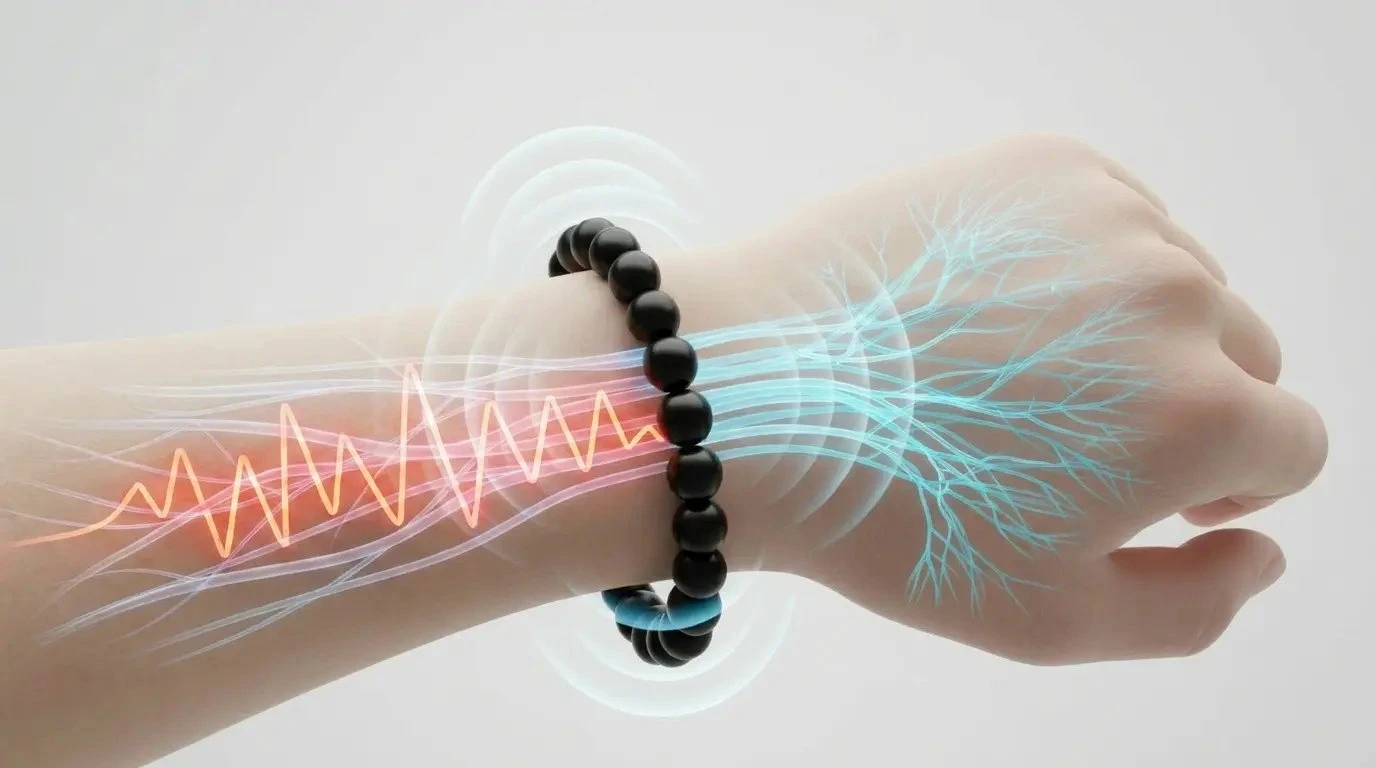
I am not a scientist, but I have now read enough about it to explain it in the way my electrician's brain understands it. The bracelet's 800 gauss magnetic field penetrates the tissue at wrist level and reaches the radial artery.
Only from that threshold does it really start to do something. Below 500 gauss, the field does not penetrate deeply enough. Think of it like signal strength. You need enough intensity to reach the target.
Once it reaches the artery, a mild vasodilating effect occurs. The blood vessel widens and blood circulation improves. That improved flow spreads through the peripheral circulation, the network that supplies your hands and feet with blood.
The complaints associated with neuropathy — burning, tingling and numbness — are largely caused by poor blood supply to the nerve endings.
Restore blood circulation, and you restore the environment nerves need in order to function. That is what Takahashi called ki no nagare. That is what Stanford measured. And that is what I felt on the third day.
My GP said to me: "Keep doing what you're doing." That is the best verdict a product can get.
— John Matthews, Manchester
Why I finally decided to tell this whole story
My friend Philip has had neuropathy for three years. He takes gabapentin, he is in a bad way, and every time I see him, he seems a little more discouraged.
I told him about Neurivanne™ and he looked at me as if I had just suggested he try healing crystals. I understand him. Six months ago, I would have reacted exactly the same way.
But I thought: if I explain all of this properly, with the history, the scientific data, the graph and exactly what happened to me day after day, then maybe someone else sitting at their laptop at 2 in the morning with burning feet will come across this article.
Just as I came across that Reddit discussion. I am not a doctor. I am an electrician from Manchester who got lucky on a Tuesday evening, and I want others to have that chance too.
Since then, I have ordered two more. One for Philip and one for my father-in-law, who has been struggling with this for years. And I discovered something interesting when I spoke about it with a Japanese colleague. She laughed and shook her head. "John," she said to me, "my grandmother wore a bracelet like that her whole life. When I was little, I thought everyone had one." She had watched me suffer for months, while the answer had been sitting in her grandmother's jewellery box the whole time.
Others discovered the same thing
Margaret S., Manchester
★★★★★
✓ Verified purchase
Type 2 diabetes, 63 years old
My Japanese daughter-in-law saw it and said, 'Oh, my grandmother wore a bracelet like that all her life.' After three weeks, the burning feeling in my feet had reduced by 80%. Last night, for the first time in two years, I slept seven hours straight.
Andrew K., Leeds
★★★★★
✓ Verified purchase
66 years old, retired firefighter
My Japanese neighbour could hardly believe I had managed to find one here. Her mother wore a magnetic bracelet for forty years and never had foot problems. For the first time in three years, I am walking again without limping.
Natalie K., nurse, Bristol
★★★★★
✓ Verified purchase
28 years' experience in healthcare
For 28 years, I dismissed anything that did not come on prescription. My Japanese colleague's 79-year-old mother was visiting from Osaka. She walked everywhere, pain-free, and had worn a magnetic bracelet every day for 30 years. That same day, I ordered Neurivanne™. Six weeks later, my feet have not burned once.
Ben P., Birmingham
★★★★★
✓ Verified purchase
Diabetic neuropathy, 6 years
Gabapentin made me feel like I was no longer myself. After four weeks with Neurivanne™, my feet feel normal again. Just a normal sensation. If you have lost that, you will understand why I am still on my laptop at 11 pm telling strangers on the internet about this.
Available in the United Kingdom for a limited time
Try what 30 million Japanese people
have trusted for generations
Neurivanne™ is designed according to Takahashi's original specifications: medical-grade 800 gauss magnets positioned at the point where you feel your pulse. The same intensity confirmed by Stanford. The same placement documented in the Imperial Archives. Full 60-day satisfaction or money-back guarantee.
🚚 Fast delivery
🛡️ 60-day guarantee
⛔ Not available on Amazon.co.uk
⚠️ Stock alert
Until recently, genuine therapeutic devices were almost never available outside Japan. Neurivanne™ is one of the first products designed to Japanese specifications and available in the United Kingdom, and since the announcement appeared online, demand is already twice as high as supply. The counterfeits sold on Amazon.co.uk use magnets of only 200 to 300 gauss. Too weak to work. The authentic stock of models with 800 gauss is limited, and this 70% discount ends as soon as the current stock sells out.
The questions I asked myself - and that you are probably asking too
Q.
Is this therapy real, or is it just marketing?
It is real and regulated. Japan's Ministry of Health officially classifies magnet therapy devices within a regulated category of wellness products. They are available in Japanese pharmacies across the country. More than 30 million Japanese people use them every day. My colleague's grandmother wore one for decades. In Japan, this is not seen as alternative medicine; it is the norm.
Q.
Why do you wear it on your wrist if the pain is in your feet?
The point where you feel your pulse, on the inside of the wrist, is where the main arteries and nerve pathways run closest beneath the skin. Ancient imperial texts called this place the 'passage point'. A sufficiently powerful magnetic field applied to that spot sets off a cascade effect that improves blood circulation throughout the peripheral system, including in the feet and lower legs. That may sound counterintuitive, but anatomically it makes sense.
Q.
How long before I feel something?
For me, it was on the third day. Most users report the first changes between day 3 and day 10. The Stanford review saw the greatest improvement after three weeks. Give it at least that long. The 60-day guarantee covers you well beyond that period.
Q.
What sets Neurivanne™ apart from the cheap models sold on Amazon.co.uk?
The gauss strength. Most bracelets sold on Amazon.co.uk reach only 200 to 300 gauss and cannot penetrate deeply enough into the tissue to reach the artery. Neurivanne™ has a strength of 800 gauss, calibrated to the therapeutic range identified in the Stanford review and used by traditional Japanese devices. The magnets also face inwards, towards the point where you feel your pulse, rather than outwards as decoration. That specific design is exactly what makes the difference.
Q.
And if it does not work for me?
A full refund within 60 days, no questions asked. The Stanford review showed an improvement rate of 80%. If you are among the 20%, you lose nothing. I was sceptical too. In the end, it was the guarantee that convinced me at 4 o'clock in the morning. And it can convince you today.
Do not wait until 4 o'clock in the morning.
Do not wait until 4 o'clock in the morning to endure another four years of burning feet.
60-day satisfaction or money-back guarantee. Fast delivery. One single payment - no renewal, no subscription. Try what 30 million Japanese people already know.
🚚 Fast delivery
🛡️ 60-day guarantee
⛔ Not available on Amazon.co.uk
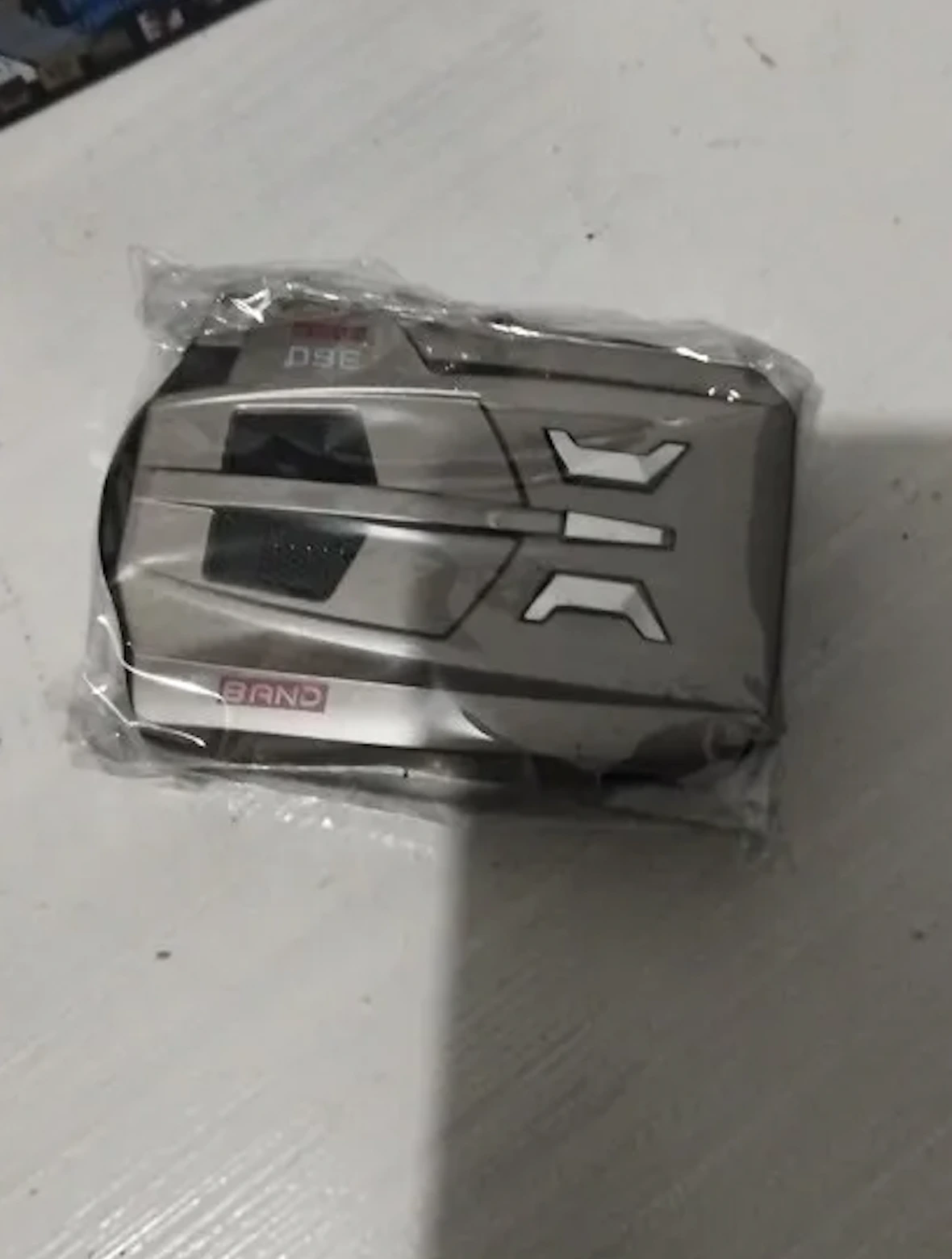
Do not hesitate for a second!!! I recommend it 100%. It detects speed cameras very accurately without ever being distracting. The sound alert is clear, but still pleasant while driving. Truly recommended!
Daniel Davies - ★★★★★ (5/5)
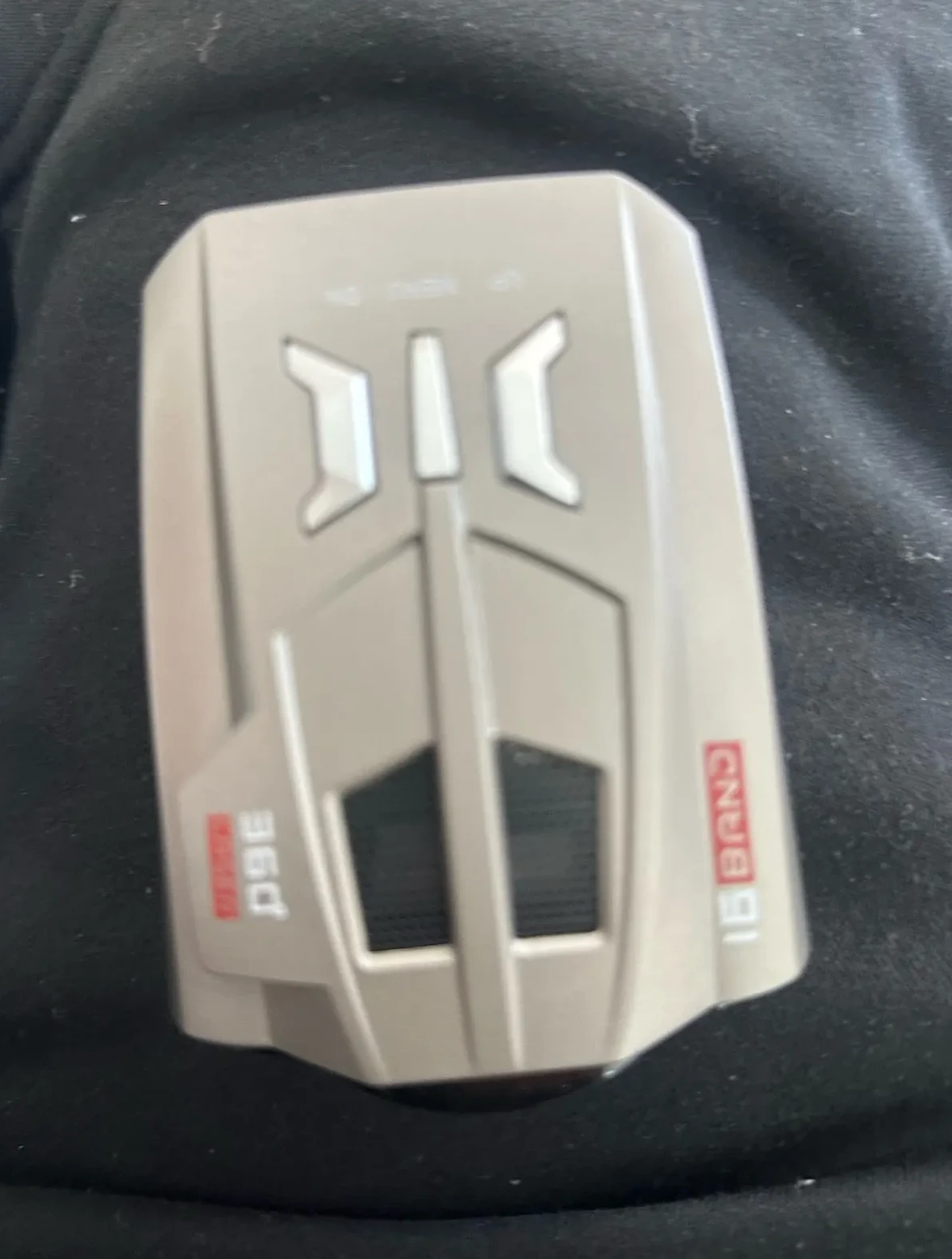
My essential gadget! This device is my best purchase of 2024. I have just ordered another one for my wife's car - an absolute gem! I cannot be without it now.
Michael Johnson - ★★★★★ (5/5)
EXCLUSIVE OFFER from
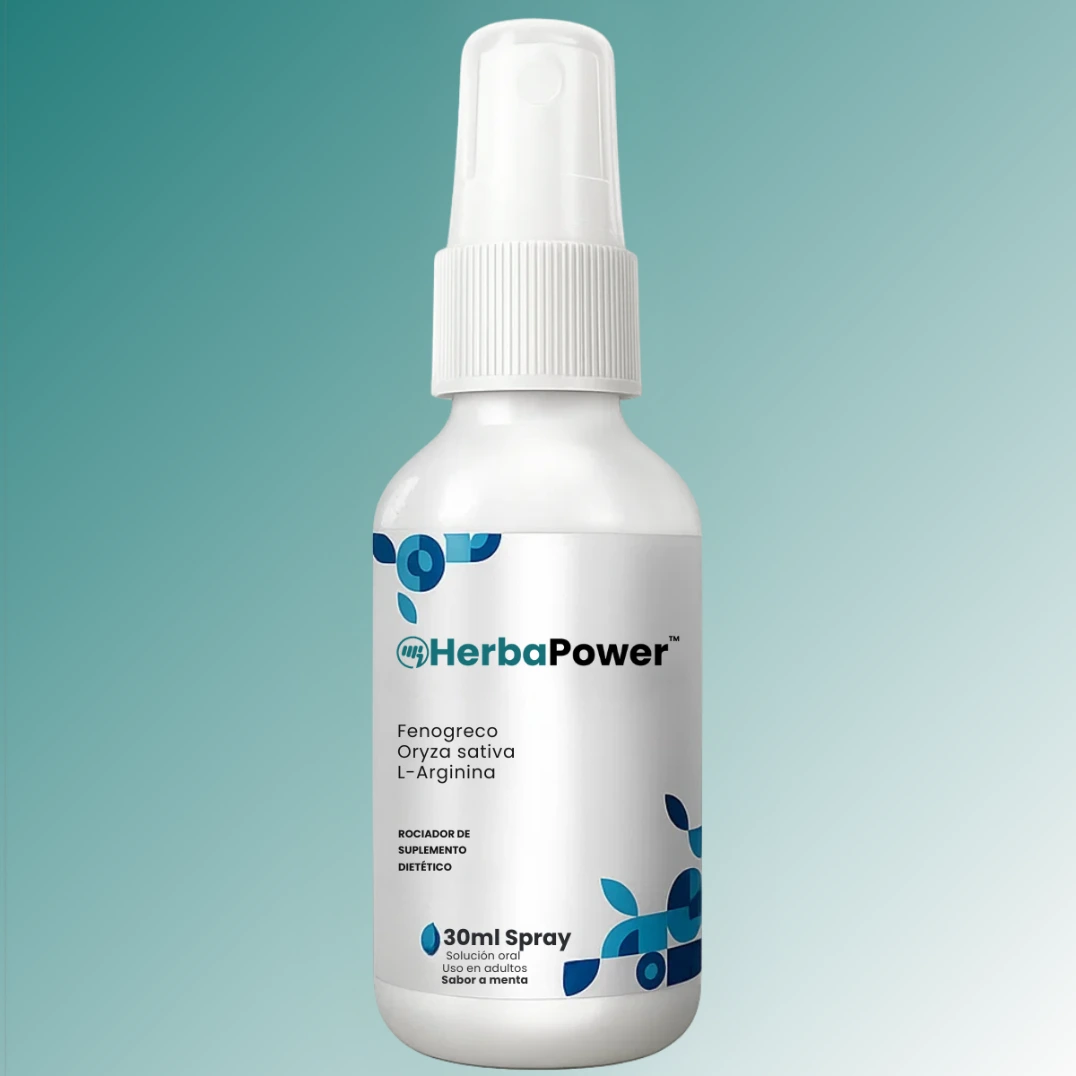
HerbaPower™
50% off!
Take advantage of the discount while it is still available.
Offer valid for a limited time only.
Update: as of 14 September 2026 - demand for Neurivanne™ has literally exploded, and stock is running out extremely quickly!
Order now to get 50% off + fast delivery before it is too late!
Special offer: 50% off + fast delivery throughout the United Kingdom.
Place your order today and make sure you receive your Neurivanne™ while it is still available!